


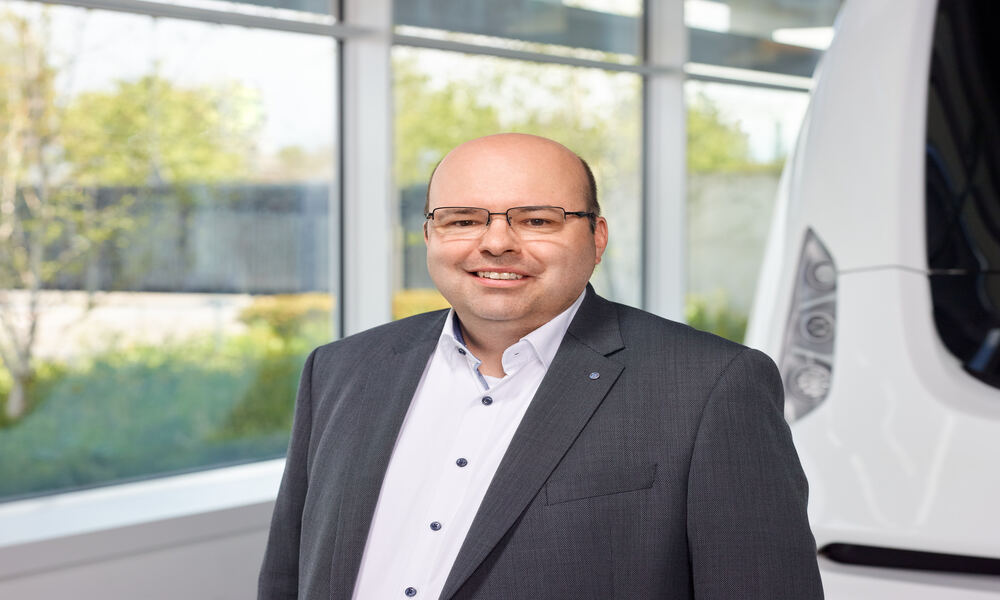
Question: How would you summarise the global direction of ZF’s Industrial Business Line?
Marco Neubold: We provide a comprehensive range of products, including transmissions, axles, damping, braking systems, clutches, and torque converters. We deliver integrated solutions from a single source under ZF’s owned brands — ZF, SACHS, and WABCO — supported by a global network of more than 120 regional partners. Together with our partners and the use of smart digital solutions, we are Maximizing Uptime of industrial applications ensuring their safe and effective operation.
Q: What major technology shifts do you see happening in off-highway machinery today?
MN: I’d highlight two main trends. The first is electrification, which is especially taking off in construction machinery used in cities and underground works—places where cutting CO2 emissions and reducing noise matter most.
The second big shift involves digitalisation, particularly advanced condition monitoring. This technology is transforming how we manage and operate our construction equipment fleets today.
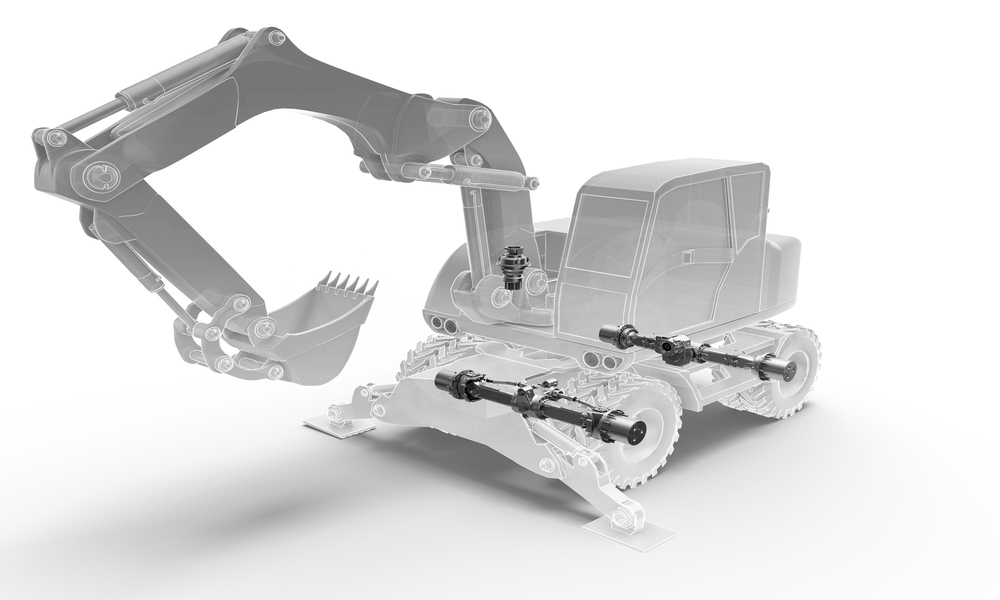
Q: How is ZF advancing and approaching electrification in driveline and transmission technology for construction and mining equipment, and how is the company supporting customers during this technological shift?
MN: From a product perspective, ZF is already delivering comprehensive e‑mobility solutions for construction and mining equipment, including electrified axles, drive trains, and transmissions. In fact, for every conventional product in our portfolio, we now offer an electrified alternative to support customers’ transitioning toward cleaner and more efficient technologies.
On the aftermarket side, we focus on ensuring that customers can safely and effectively operate these new systems. This includes providing specialized high‑voltage training, dedicated digital tools, and other targeted support programs that help operators and technicians adapt to the requirements of electrified machinery.
Q: Industrial machines run harder and longer than road vehicles — how does ZF support uptime?
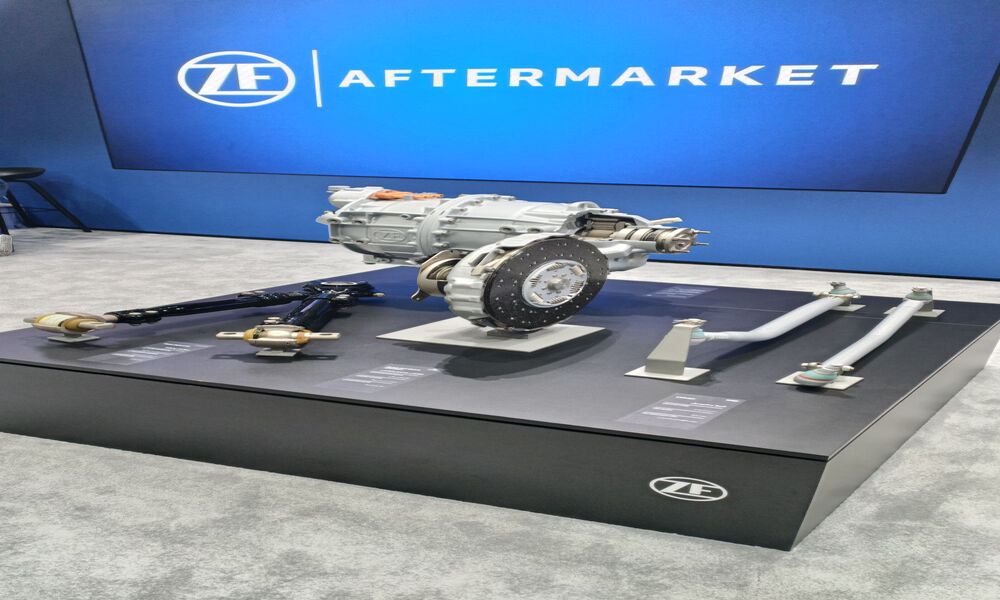
MN: To ensure optimal uptime, we maintain an extensive network globally. Our partners are strategically positioned near our customers, enabling efficient and prompt troubleshooting and resolution of issues. Additionally, we offer a comprehensive portfolio of genuine parts necessary for product repairs. Furthermore, we are continuously developing advanced condition monitoring tools and innovative products such as the ZF Scan.
Q: ZF enjoys a broad and well-spread-out industrial footprint. How does the customer experience that and benefit from it?
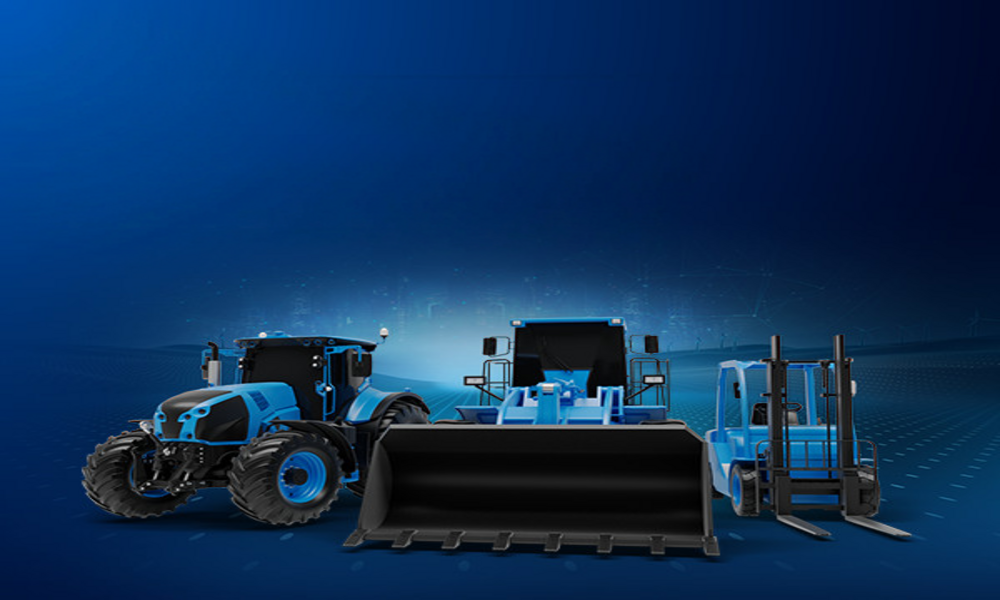
MN: When discussing our extensive reach, I want to highlight two main aspects. First, within the industrial sector, we operate across nearly all areas—ranging from agricultural and construction machinery to materials handling, rail, marine, and various specialty vehicles. This breadth gives us expertise across different segments, which ultimately benefits our customers.
Secondly, it’s important to mention that ZF Group is among the few suppliers worldwide serving passenger cars, commercial vehicles, and the industrial segment. We gain advantages from developments in the passenger car sector and the commercial vehicle sector alike, where higher production volumes make it easier to transfer innovations to industrial applications.
Q: Off-highway machines operate for decades. How do ZF repair solutions extend asset life?
MN: That’s a great question. We continue providing aftermarket solutions even for products that have been out of mass production for years. For instance, the 4W G65 transmission hasn’t been in serial production for several years, but there are still many of these transmissions in use, which keeps demand for aftermarket services high. As a result, we keep supporting our customers by repairing these transmissions and manufacturing necessary aftermarket parts.
Q: How big is the opportunity for remanufacturing in heavy industries?
MN: The opportunity presented by remanufacturing is substantial. Extending the lifespan of products through Reman is particularly significant for machinery that has typically been in operation for extended periods. Additionally, Reman activities contribute to notable CO2 reductions, which represents another major advantage. Furthermore, it is important to emphasize that Reman consistently delivers Original Equipment quality while offering a lower cost.
Q: What message would you like to send to contractors and industrial operators in the Middle East?
MN: Our approach centers on strategic partnerships and establishing a strong local presence, which is essential both for our organization and our customers. To further support this objective, we are developing dedicated products tailored to the IMEA region. For instance, in early 2026, we plan to introduce a clutch range specifically designed for agricultural machinery in the IMEA market.
