


With Saudi Arabia’s mega-projects and the UAE’s growing focus on innovation and sustainability reshaping the regional construction landscape, Volvo Construction Equipment is positioning itself for long-term growth through electrification, connected technologies, financing solutions and strong dealer partnerships.
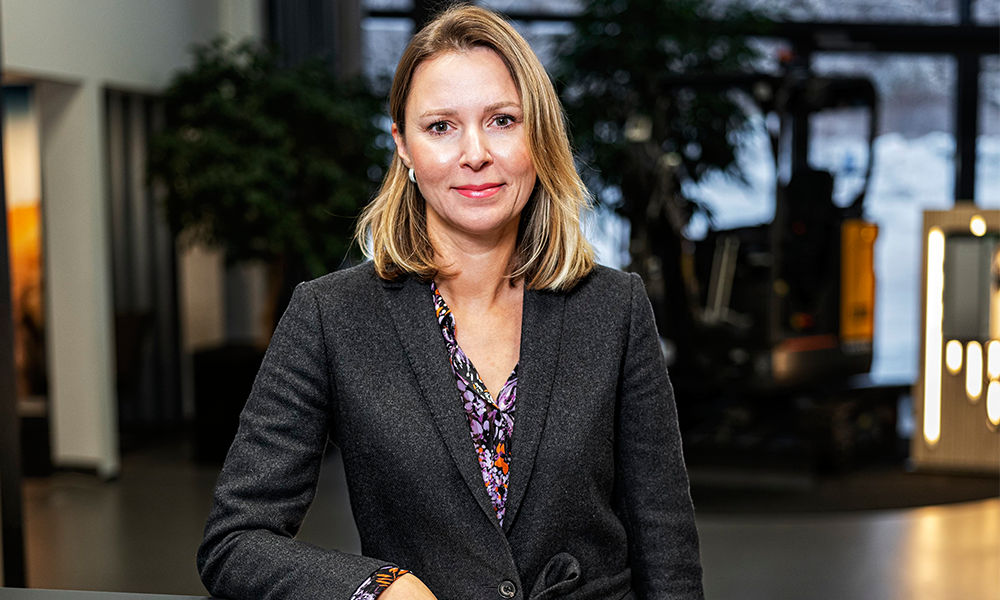
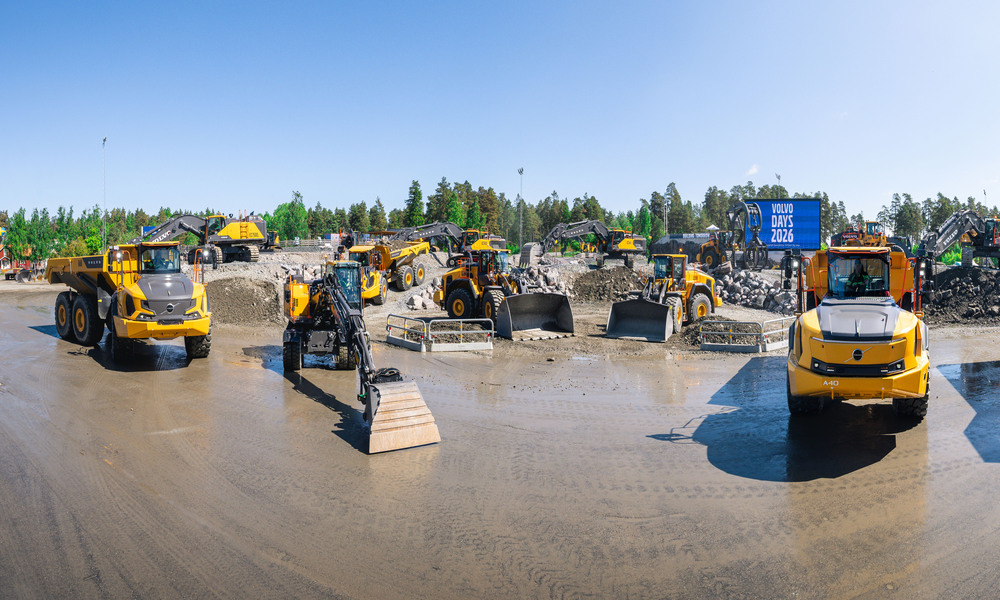
At Volvo Days 2026, Volvo CE’s annual international media and customer outreach event held at its base in Eskilstuna, Sweden, CMME spoke exclusively with Hanna Ihnatovich, Head of Sales Region International, about the trends, opportunities and challenges shaping the next decade of construction equipment.
Having officially assumed the role of Head of Sales Region International in May 2026, Ihnatovich is responsible for a diverse portfolio of markets spanning multiple continents, including the Middle East. With more than a decade of experience at Volvo CE across sales, pricing, planning, and finance, she brings a comprehensive understanding of both the commercial and operational drivers shaping the industry.
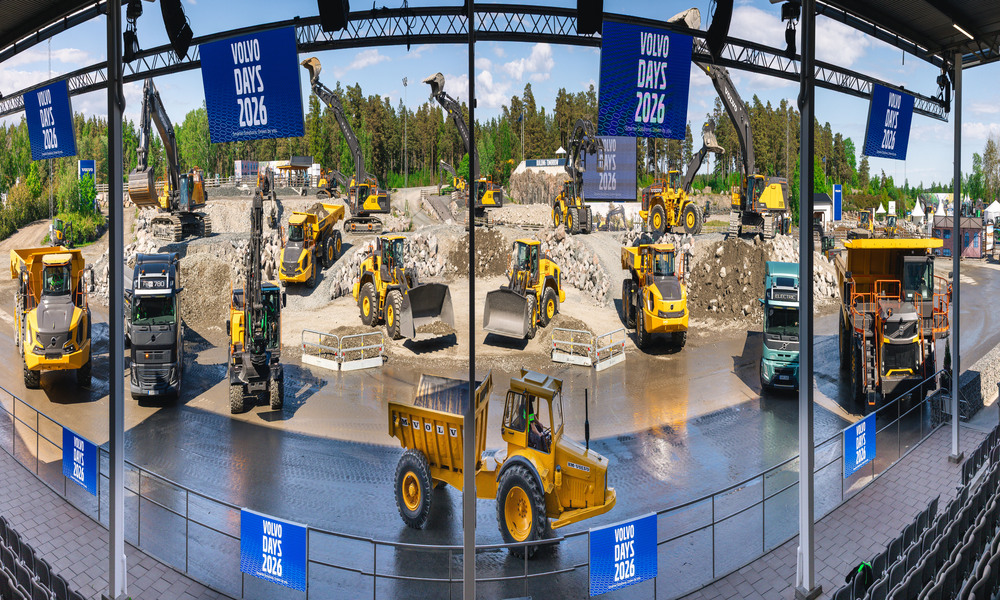
During Volvo Days this year, Ihnatovich emphasised to CMME the company’s priorities across Saudi Arabia and the UAE, the realities of sustainability adoption in the region, the growing role of digital services and connected job-sites, and how Volvo CE is helping customers navigate an increasingly complex business environment.
While electrification and AI continue to dominate industry headlines, Ihnatovich believes the Middle East remains a market where education, customer support, financing solutions, and strong dealer partnerships will ultimately determine the pace of adoption. She also highlights digitalisation as the single most transformative force set to reshape the construction equipment industry over the next decade.
CMME: Volvo CE has identified key global focus sectors. What are the biggest priorities for the Middle East market?
Ihnatovich: Globally, our strategic focus areas are Construction, Mining and Quarrying and Aggregates; in the Middle East, our two largest markets are Saudi Arabia and the UAE.
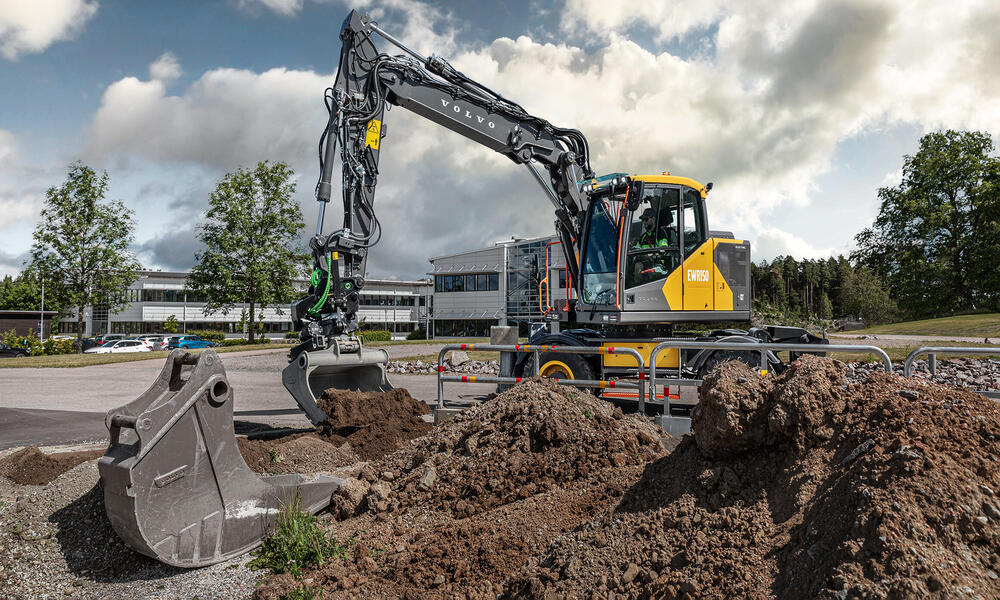
The region is heavily driven by infrastructure investment, mega-projects, and quarrying activity. Infrastructure remains the primary driver of construction activity and therefore our biggest focus. Our strategy is centred on ensuring we have the right products for these applications while working closely with our dealer partner, Al-Futtaim FAMCO, to support customers and secure opportunities across major projects.
CMME: Where do you see the biggest growth opportunities in the region?
Ihnatovich: Saudi Arabia and the UAE are unquestionably our priority markets. These are the countries where we see the strongest opportunities for growth.
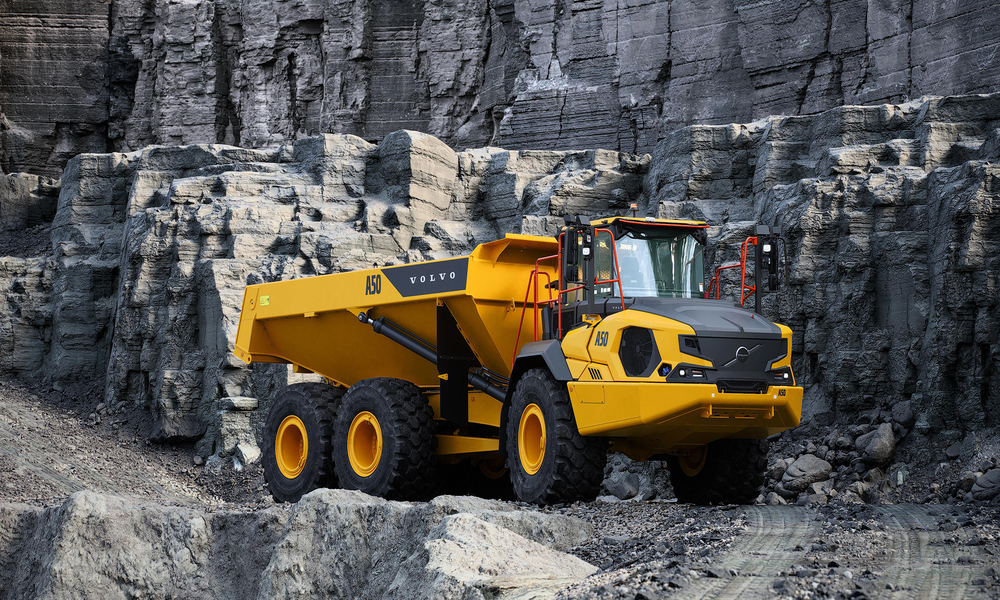
Mining is becoming increasingly important, particularly in the UAE, where Volvo CE already has a strong position with products such as our articulated haulers. We see significant potential there moving forward.
CMME: Sustainability means different things in different markets. How do Volvo CE’s sustainability ambitions translate to the Middle East?
Ihnatovich: The UAE is currently leading the sustainability agenda in the region and is the market where we see the most progress. However, sustainability is still being driven by specific customers rather than representing a broad market trend.
Typically, we are working with customers who either have decarbonisation targets and lower-emission goals, or customers who can clearly see the operational and total cost of ownership benefits that sustainable technologies can deliver.
Historically the region has enjoyed relatively low diesel prices which contrasts with markets like Europe creating a further challenge for adoption.
We currently have several pilot and demonstration machines operating with customers in the region. We believe the UAE will move faster than other markets, but for now adoption remains limited to a relatively small group of customers.
CMME: Are customers actively requesting lower-emission equipment today?
Ihnatovich: Not really. At this stage, Volvo is driving much of the conversation. Customer demand remains limited, so there is still significant work to be done in demonstrating the value and benefits of these technologies. It’s very much at the beginning of the journey.
CMME: Volvo CE has been leading the development of electric construction equipment. Which technologies excite you most, and how do you see adoption progressing in the Middle East?
Ihnatovich: Today, battery-electric equipment is our primary focus, with grid-connected solutions also becoming increasingly important. We believe both technologies will play a significant role for many years, although other technologies will emerge over time.
Earlier generations of electric machines faced challenges in hotter climates, particularly with compact equipment. However, advancements in battery technology and machine design have largely overcome these issues.
Markets such as Australia provide a good benchmark because of similar climate conditions, and customer feedback there has been very positive.
CMME: Articulated haulers are among the most demanding machines to electrify. What developments are you seeing?
Ihnatovich: The pace of development has been faster than many expected. Volvo CE now has electric articulated haulers entering the market, and customer interest is growing.
While we are not yet seeing significant demand from the Middle East, interest is already emerging in markets such as South Africa and New Zealand. I expect we will begin hearing similar requests from customers in the Middle East soon.
For articulated haulers specifically, the UAE represents a particularly promising market, especially as sustainability ambitions continue to grow.
CMME: What is Volvo CE doing to encourage adoption of electric equipment in the region?
Ihnatovich: We are actively running demonstrations with customers in the UAE. One example is the Volvo L120 Electric wheel loader, which is currently being demonstrated across several customer sites.
The interest is there, but adoption naturally takes time. Education and practical experience remain essential parts of the process.
CMME: Connected job-sites, AI and automation are becoming major industry themes. How do you see these technologies changing fleet management?
Ihnatovich: They will fundamentally change how contractors operate. The technology itself is important, but the real challenge is helping customers understand the value it delivers. Data alone is not enough. Customers need to see how it improves utilisation, increases uptime, reduces downtime, enhances safety, and supports better decision-making.
When I visit certain countries in Middle East, I feel customers need education on the practical benefits of connected services. The first challenge is identifying the right customers and demonstrating clear value. The second challenge is ensuring our dealers fully understand and embrace these technologies, because they are our interface with the customer and our ability to scale these solutions locally depends on them.
Ultimately, connected services create stronger long-term customer relationships while improving resilience for both customers and dealers.
CMME: Is education currently the biggest barrier to adoption?
Ihnatovich: Absolutely. There is education required for customers, but also for dealers and distributors. The knowledge exists within Volvo CE, and we are committed to sharing it, but successful deployment depends on local capability.
Many customers in the region still focus primarily on purchase price. What we need to do is shift the conversation towards value-based selling and total cost of ownership. That transition takes time, but once customers experience the benefits, adoption accelerates.
CMME: The Middle East continues to face economic and geopolitical uncertainty. How is Volvo CE supporting customers through these challenges?
Ihnatovich: Our approach is straightforward: focus on what we can control. That means staying close to customers, ensuring machine and parts availability, maintaining service support, and helping manage logistics challenges when disruptions occur. Safety remains our priority, but our commitment to supporting customers and maintaining business continuity never changes.
CMME: How important is financing in supporting customers during uncertain periods?
Ihnatovich: Financing is one of our most important business enablers. The share of financed deals in the Middle East has grown significantly, and our ability to offer competitive financing solutions plays a major role in helping customers invest with confidence. We work closely with our trade finance teams and partners, including Swedish Export Credit (SEK) support and private local insurers, to provide attractive financing packages.
In many cases, financing becomes a key differentiator and an important part of the overall customer offering.
CMME: How important are aftermarket services and digital support to Volvo CE’s regional strategy?
Ihnatovich: They are critical. From a company perspective, services provide long-term profitability and resilience against market fluctuations. For customers, strong aftermarket support is essential for keeping operations running efficiently.
Having parts availability, service capability, and local dealer support are the fundamentals. This is also where Volvo CE differentiates itself from some of the growing competition in the market. Our dealer network delivers a complete support ecosystem that goes far beyond the machine itself.
CMME: What customer trends are you watching most closely today?
Ihnatovich: Sustainability adoption and willingness to invest in digital services. Those are the two areas that will have the biggest impact on our future growth and are central pillars of our long-term strategy.
CMME: You officially took over as Head of Sales Region International in May. What experiences have shaped your leadership approach?
Ihnatovich: I joined Volvo CE in 2012 and have spent my entire career within the sales organisation, holding roles across sales, volume planning, pricing, S&OP, and most recently finance for the region.
Throughout my career, I have focused on understanding the entire value chain and the full picture of the business. My finance experience has given me a strong understanding of profitability and business performance.
My leadership philosophy centres around building strong teams, fostering trust, maintaining open dialogue, and developing strong partnerships with our dealer network. Transparency and alignment are essential to long-term success.
CMME: Finally, if you had to identify one trend that will have the greatest impact on the construction equipment industry over the next decade, what would it be?
Ihnatovich: Digitalisation. Whether through AI, connectivity, automation, or data-driven decision-making, digitalisation will be the defining trend for our industry.
It will transform how equipment is managed, how projects are executed, and how customers create value. Staying relevant in this space and keeping pace with innovation will be essential for everyone in the industry.
